Contact us
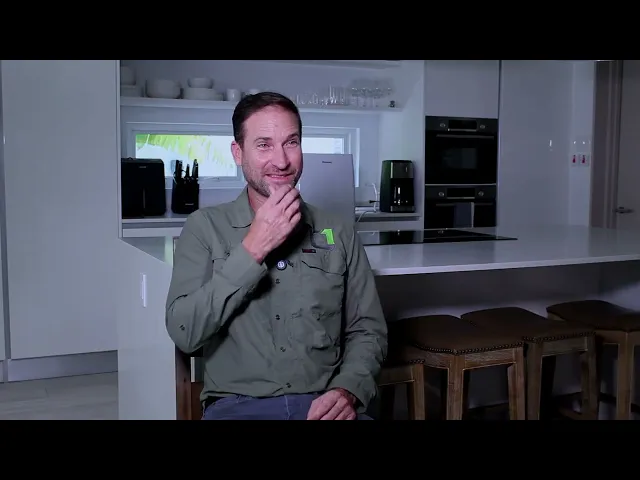
A Conversation with Daniel Atwell of One Builders
Insights on the realities of building in Barbados, the rise of project management, and where the industry is heading.

Sean Stewart
Aug 15
Watch 33 minutes | Read 13 minutes
Meet One Builders
Sean: Danny, you’re co-founder and Managing Director of One Builders—one of Barbados’ leading construction companies. Tell us about the company, the types of projects you take on, and your role.
Danny: One Builders was founded by James Edghill and me. We started working together about ten years ago and formed the company a couple of years later. My focus is day-to-day operations—HR, equipment, warehousing, and being on-site with the teams. James handles development and wider strategy as CEO.
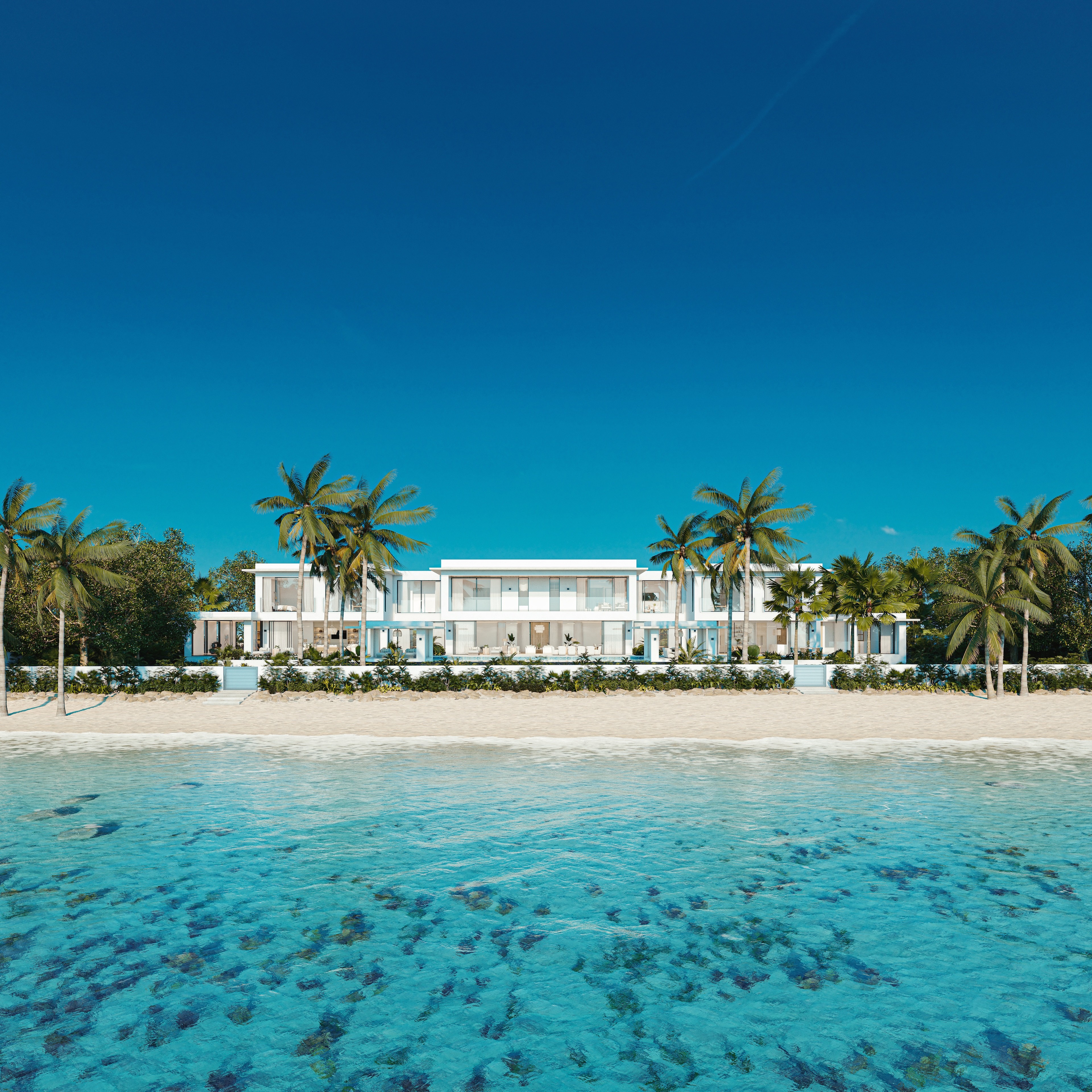
We began with commercial construction—mainly office buildings—and because we invested early in heavy equipment, formwork systems, and scaffolding, we moved into high-rise and hospitality work. From there we expanded into residential developments like Porters Place and a number of high-end villas. Commercial and large-scale development remains our core strength.
Commercial vs. Residential Construction
Sean: Is it easier for a commercial contractor to move into residential than the other way around?
Danny: Yes. Commercial work requires more equipment and a broader skill set. Moving from commercial into residential is usually smoother—high-rise projects need cranes, scaffolding, and heavy formwork that residential doesn’t. You still need excellent tradesmen, but the infrastructure demands are lighter.
Civil Works and Infrastructure
Sean: One Builders has taken on civil works too. Does that fall under a different category?
Danny: We’ve done civil projects, including the Saltwater drainage works in Speightstown with C.O. Williams. They handled the earthworks; we did the concrete. A lot of the formwork came from our commercial division. And because we handle many developments from groundbreaking to handover, things like roads and car parks are normal for us.
A Career Shaped by Construction
Sean: What led you into construction and project management?
Danny: My whole family is construction—my uncle was GM at C.O. Williams, my father was a director, and my uncles were all in the industry. It’s in the blood. As a teenager I wasn’t naturally drawn to it, but the summer jobs and dinner-table conversations were always about building.
I spent some time abroad—mainly in the UK and Ireland playing polo—and when I came home someone I’d worked with offered me a job. I took it, learned quickly, leaned on some family connections, and it grew from there.
The Role of Project Management Today
Sean: What does successful project management look like in Barbados?
Danny: It has evolved massively over the past 10–15 years. There used to be very little true project management. At One Builders we manage the construction process—scheduling, procurement, planning, coordinating trades.
There’s also client-side project management, and that has grown a lot. Some come from contracting, others from quantity surveying. With more complex projects and global logistics challenges, strong project management is essential. It protects the client, keeps pricing realistic, helps maintain schedules, and keeps everyone accountable.
Sean: Has this evolution improved the industry?
Danny: Absolutely. It’s more organised, more transparent, and clients have more confidence.
From Concept to Completion
Sean: Walk me through a typical project from start to finish.
Danny: Everything begins with buying the land and assembling your team—an architect and an engineer who work together from day one. If they’re not aligned, you get clashes between design and structure.
The closer you get to the end of a project, the harder it gets. The finishing stage is always the toughest: more trades on-site, more details, more moving parts. The structural phase is concrete and steel. Finishing brings a surge in manpower and countless details, and that’s where the timeline feels longest.
Sean: And then there’s weather, logistics, and everything else…
Danny: Exactly. Weather can wipe out weeks. During Porters Place we had early heavy rains and then global shipping delays. Halfway through we changed strategy—rented a warehouse, ordered early, and stockpiled materials. Even then some shipments were much later than expected. But we adapted and got it done.
Coordinating Teams and Technology
Sean: How do you manage communication between architects, engineers, suppliers, and clients?
Danny: Relationships and communication are crucial, but technology now plays a big role. We use a comprehensive construction management software platform—drawings, RFIs, daily logs, submittals—everything in one place, accessible to clients and consultants anywhere in the world.
We also do weekly 3D camera scans on hotel projects, creating a visual as-built record of every pipe, cable, and wall before they’re closed. Clients and architects can log in and see the exact progress. We use Dropbox for drawings. Technology is central now, but it still comes down to strong management and the right people.
Sean: Does that create new staffing challenges?
Danny: The software is more user-friendly now. Some of our experienced foremen aren’t tech-savvy, but they’re excellent builders. We let them focus on that, and we hire admin and technical staff to manage the digital side.
The Realities of Building in Barbados
Sean: What are the biggest logistical challenges locally?
Danny: Materials and labour—without question. Shipping timelines continue to fluctuate based on global markets. Planning is everything. If something normally takes four weeks, we assume ten. If it takes three months, we add a fourth.
For years we worked entirely with local staff. But with the volume of construction happening now, we’ve had to bring in some foreign managers and tradesmen—with Government support—to supplement. Barbados has excellent tradesmen, but the pool is small and demand is high.
Sean: How do you manage client expectations with delays?
Danny: Transparency. We communicate challenges early, share programs and procurement schedules, and show clients exactly how we’re approaching delays. When clients can see we’re doing everything we can, they’re usually very understanding.
Sean: Any local innovations helping?
Danny: The port’s new X-ray scanner system speeds up inspection and clearance—we built the structure for it. And we use local manufacturers whenever possible—they do great work. But most materials still need importing, so planning remains key.
Advice for Overseas Property Owners
Sean: What advice would you give someone abroad who wants to build or renovate in Barbados?
Danny: Build your team carefully and take your time. Do background checks. Ask your lawyer and real estate agent for recommendations. Barbados is small—people know who’s reputable.
Design and Construction Trends
Sean: What trends are you seeing locally?
Danny: Commercial spaces are embracing a modern industrial look—open ceilings, exposed services—similar to London or New York. We just did that at W Plaza for Do It Best and Courts.
Residential design is shifting toward clean lines and modern finishes. At Porters Place you’ll see simple forms, fewer arches, and less coral-rendered detail. Porcelain tile is a big trend—durable, low-maintenance, and perfect for the Caribbean climate.
Looking Ahead
Sean: What excites you about the future of the industry?
Danny: Barbados is in a construction boom. It won’t last forever, but we’re making the most of it. I enjoy being part of a project from concept to completion, and we’ve been moving further into design-build. It gives us greater control over the full process, and we want to keep growing in that direction.
Common Misconceptions and Practical Wisdom
Sean: Biggest misconception about building in Barbados?
Danny: That all contractors are crooks. There are some bad apples, sure—but there are many excellent contractors and tradesmen. Again: background checks.
Sean: What should a property owner ask before hiring a builder?
Danny: Their reputation, their team, their resources, their equipment, whether they have warehousing, and whether they can handle the scale of your project.
Sean: One thing that always adds value?
Danny: Planning. Especially for finishes and materials. The earlier the better.
Sean: Greatest logistical nightmare?
Danny: (laughs) Too many to choose from.
Sean: And how do you balance construction timelines with island life?
Danny: Planning again. We program for five days a week but usually work six—and sometimes seven. We factor in weather, public holidays, even festival periods. Personally, I book holidays early or they never happen.
Final Thoughts
Sean: Why is project management as important as construction?
Danny: Because modern building is all logistics, coordination, and timing. Aligning the client’s vision with the architect, engineer, and reality takes serious planning. That’s the essence of project management.
Sean: So for anyone building here, the big takeaways are planning and background checks.
Danny: Exactly. Build the right team and communicate clearly. Everyone ultimately wants the same outcome, but the right preparation makes all the difference.
Sean: Danny, thanks so much for taking the time. It’s always a pleasure catching up—and congratulations on One Builders’ continued growth.
Danny: Always a pleasure, Sean.