Contact us

Contact us

Contact us

Real estate house hero image

SUN, SEA & SECOND HOMES

Blog

Sean Stewart

Oct 7

Watch 29 minutes | Read 15 minutes

Prime Central London Property with Buying Agent Cliff Gardener

Q&A with Cliff Gardener

Sean: Cliff, welcome to Sun, Sea & Second Homes. For those who don’t know you, can you give a quick overview of your background?

Cliff:

Thanks, Sean. I’ve been an estate agent in Central London for over 30 years. I started in 1989 as a traditional selling agent, and about 23 years ago I switched sides—from poacher to gamekeeper—and became a buying agent.

Now I work exclusively for buyers. I don’t sell property; I source the best homes in Central London, particularly off-market opportunities, for international clients. I founded my own buying agency, CGP, in 2012 and have been independent ever since.

Sean: I’ve seen your career up close, and you’re being modest—buyers chase you, not the other way around. What’s the current state of the London market from where you sit?

Cliff:

London remains fascinating for international buyers. But the recent change in government and shifts in taxation have created uncertainty, so clients want honest, transparent advice—beyond the headlines.

People seek out buying agents like me because we aren’t pushing for a quick sale. We act solely for the buyer, and our job is to tell them the truth about the market, not what’s convenient.

Sean: And just to clarify—you’re paid by the buyer, correct?

Cliff:

Yes. Clients retain me exclusively. They pay a small retaining fee and sign a contract so that I’m working solely for them. It lets me approach the market with credibility: selling agents know the buyer is serious and properly advised, making off-market access much easier.

Sean: You work with high-net-worth and ultra-high-net-worth clients. What sets them apart from the average buyer?

Cliff:

They’re global. They own homes around the world, have exceptional lawyers and bankers, and value their time above all else. They expect efficiency, accuracy and honesty.

Most importantly—they’re used to paying for professional advice. They expect expertise, not salesmanship, and they want the best properties presented quickly and clearly.

Sean: After 30+ years in Prime Central London, what’s the biggest lesson you’ve learned about representing buyers at the top of the market?

Cliff:

Tell the truth, even if it costs you a deal.

Clients often send me properties they’ve seen online. More often than not, my answer is “no”—it isn’t good enough. When you’ve spent decades studying top-tier properties, you know what true quality looks like.

And importantly, what’s online is not representative of the real market. The best homes are off-market, shared quietly among agents with strong relationships.

Sean: Walk us through how you work with a new client.

Cliff:

It depends on their familiarity with London.

• If they already understand the city, I simply get them into the best options on and off the market.

• If they’re new, I take them through an education process: different areas, different property types, price drivers, and value indicators. That might take weeks or months.

Recently, a client wanted a very specific terrace in Chelsea. Nothing was on the market. I literally knocked on doors—20 houses—and ultimately got her into five. She could never have done that herself.

Sean: If the property isn’t being openly marketed, how does negotiation work?

Cliff:

Sometimes sellers are completely unrealistic because they haven’t had the market feedback that public listings provide. My job is to present comparable sales and market logic so they understand the offer.

We’re not trying to “steal” a property—we’ll pay fair market value and even a premium for the right one—but the seller needs to see the reasoning behind the price.

Sean: Much of your business comes from referrals. What makes your approach stand out?

Cliff:

Effectiveness. Tenacity. And honesty.

When clients fly into London for a short window, I clear my diary and work with them intensively. They leave with a complete understanding of the market and are ready to make a confident decision. I love what I do—every viewing is an opportunity to find something exceptional.

Sean: In your experience, what defines “prime” in London?

Cliff:

Rarity.

Prime London isn’t about generic units in big developments. It’s about one-off houses, exceptional flats, first-floor or penthouse levels, the best addresses, and the best outlooks.

Most properties are commoditized—easy to find, endlessly repeated. Prime is the opposite: scarce, special, and usually off-market.

Sean: What are the biggest challenges high-net-worth buyers face, and how do you help them?

Cliff:

Confidence.

The press paints a dark picture of the UK economy and housing market. But Prime Central London operates in its own micro-market: limited supply, global demand, and strong long-term value.

I help clients understand why certain properties justify their prices—and why others don’t—based on decades of real, on-the-ground experience.

Connecting London to Barbados

Sean: You’ve visited Barbados several times. What resonates most with your London clients?

Cliff:

Quality.

London buyers recognise craftsmanship, exceptional plots, stunning views and strong architectural design. In Barbados—particularly on the West Coast—some properties genuinely make your heart sing. I look at houses every day; only about one in thirty moves me. Barbados has several that do.

Sean: Do you see parallels between prime London and prime Barbados?

Cliff:

Absolutely.

Both markets are small, with limited stock and long-term owners. Access is everything—buyers need knowledgeable local representation to get into the best opportunities. If it were easy, people wouldn’t need experts like you in Barbados.

Sean: For globally mobile buyers with multiple homes, where does Barbados fit in?

Cliff:

For Europeans and North Americans, Barbados is a dream destination. Sun, sea, boating, golf, outstanding restaurants—it has everything.

Middle Eastern clients may not be looking for more sunshine, but for many demographics, Barbados fits perfectly into a portfolio of global lifestyle properties.

Sean: How would you describe the West Coast of Barbados to someone who’s only ever lived in London?

Cliff:

Relaxed but vibrant.

There’s always something to do: great cafés, restaurants, hotels, golf, shopping—plus that unbeatable climate. It offers a pace of life most Londoners fantasize about.

Sean: What’s happening in Prime Central London right now?

Cliff:

The last few months have been very active. Buyers who sat on the sidelines are re-emerging. Despite geopolitical uncertainty and tax changes, I think this is the best time to buy in years.

Sellers are receptive. They’ve felt the slowdown and they’re listening to sensible offers. Off-market options are available at realistic prices again. I’m optimistic about the rest of the year and into 2026.

Sean: Historically, we’ve both seen London markets where neither buyer nor seller would budge. Is that shifting?

Cliff:

Yes. The “discretionary seller” problem is easing. Sellers are more realistic, partly because some agents previously overpriced homes just to win instructions.

Now, sensible, well-qualified offers are being taken seriously. I’m not here to buy properties cheaply—my clients will pay a premium for a premium home—but the gap between buyer and seller expectations is finally narrowing.

Sean: If someone wants to reach you, where can they find you?

Cliff:

The easiest place is cliffgardener.com—that’s Gardener with an “e”. All my contact information is there. Anyone interested in understanding the London market or viewing property is welcome to get in touch.

Sean: Cliff, always a pleasure. Thank you for joining me—even if we couldn’t do this over a rum punch in Barbados or a pint in London.

Cliff:

Great to speak as always, Sean.

Sean Stewart

Oct 7

Watch 29 minutes | Read 15 minutes

Prime Central London Property with Buying Agent Cliff Gardener

Q&A with Cliff Gardener

Sean: Cliff, welcome to Sun, Sea & Second Homes. For those who don’t know you, can you give a quick overview of your background?

Cliff:

Thanks, Sean. I’ve been an estate agent in Central London for over 30 years. I started in 1989 as a traditional selling agent, and about 23 years ago I switched sides—from poacher to gamekeeper—and became a buying agent.

Now I work exclusively for buyers. I don’t sell property; I source the best homes in Central London, particularly off-market opportunities, for international clients. I founded my own buying agency, CGP, in 2012 and have been independent ever since.

Sean: I’ve seen your career up close, and you’re being modest—buyers chase you, not the other way around. What’s the current state of the London market from where you sit?

Cliff:

London remains fascinating for international buyers. But the recent change in government and shifts in taxation have created uncertainty, so clients want honest, transparent advice—beyond the headlines.

People seek out buying agents like me because we aren’t pushing for a quick sale. We act solely for the buyer, and our job is to tell them the truth about the market, not what’s convenient.

Sean: And just to clarify—you’re paid by the buyer, correct?

Cliff:

Yes. Clients retain me exclusively. They pay a small retaining fee and sign a contract so that I’m working solely for them. It lets me approach the market with credibility: selling agents know the buyer is serious and properly advised, making off-market access much easier.

Sean: You work with high-net-worth and ultra-high-net-worth clients. What sets them apart from the average buyer?

Cliff:

They’re global. They own homes around the world, have exceptional lawyers and bankers, and value their time above all else. They expect efficiency, accuracy and honesty.

Most importantly—they’re used to paying for professional advice. They expect expertise, not salesmanship, and they want the best properties presented quickly and clearly.

Sean: After 30+ years in Prime Central London, what’s the biggest lesson you’ve learned about representing buyers at the top of the market?

Cliff:

Tell the truth, even if it costs you a deal.

Clients often send me properties they’ve seen online. More often than not, my answer is “no”—it isn’t good enough. When you’ve spent decades studying top-tier properties, you know what true quality looks like.

And importantly, what’s online is not representative of the real market. The best homes are off-market, shared quietly among agents with strong relationships.

Sean: Walk us through how you work with a new client.

Cliff:

It depends on their familiarity with London.

• If they already understand the city, I simply get them into the best options on and off the market.

• If they’re new, I take them through an education process: different areas, different property types, price drivers, and value indicators. That might take weeks or months.

Recently, a client wanted a very specific terrace in Chelsea. Nothing was on the market. I literally knocked on doors—20 houses—and ultimately got her into five. She could never have done that herself.

Sean: If the property isn’t being openly marketed, how does negotiation work?

Cliff:

Sometimes sellers are completely unrealistic because they haven’t had the market feedback that public listings provide. My job is to present comparable sales and market logic so they understand the offer.

We’re not trying to “steal” a property—we’ll pay fair market value and even a premium for the right one—but the seller needs to see the reasoning behind the price.

Sean: Much of your business comes from referrals. What makes your approach stand out?

Cliff:

Effectiveness. Tenacity. And honesty.

When clients fly into London for a short window, I clear my diary and work with them intensively. They leave with a complete understanding of the market and are ready to make a confident decision. I love what I do—every viewing is an opportunity to find something exceptional.

Sean: In your experience, what defines “prime” in London?

Cliff:

Rarity.

Prime London isn’t about generic units in big developments. It’s about one-off houses, exceptional flats, first-floor or penthouse levels, the best addresses, and the best outlooks.

Most properties are commoditized—easy to find, endlessly repeated. Prime is the opposite: scarce, special, and usually off-market.

Sean: What are the biggest challenges high-net-worth buyers face, and how do you help them?

Cliff:

Confidence.

The press paints a dark picture of the UK economy and housing market. But Prime Central London operates in its own micro-market: limited supply, global demand, and strong long-term value.

I help clients understand why certain properties justify their prices—and why others don’t—based on decades of real, on-the-ground experience.

Connecting London to Barbados

Sean: You’ve visited Barbados several times. What resonates most with your London clients?

Cliff:

Quality.

London buyers recognise craftsmanship, exceptional plots, stunning views and strong architectural design. In Barbados—particularly on the West Coast—some properties genuinely make your heart sing. I look at houses every day; only about one in thirty moves me. Barbados has several that do.

Sean: Do you see parallels between prime London and prime Barbados?

Cliff:

Absolutely.

Both markets are small, with limited stock and long-term owners. Access is everything—buyers need knowledgeable local representation to get into the best opportunities. If it were easy, people wouldn’t need experts like you in Barbados.

Sean: For globally mobile buyers with multiple homes, where does Barbados fit in?

Cliff:

For Europeans and North Americans, Barbados is a dream destination. Sun, sea, boating, golf, outstanding restaurants—it has everything.

Middle Eastern clients may not be looking for more sunshine, but for many demographics, Barbados fits perfectly into a portfolio of global lifestyle properties.

Sean: How would you describe the West Coast of Barbados to someone who’s only ever lived in London?

Cliff:

Relaxed but vibrant.

There’s always something to do: great cafés, restaurants, hotels, golf, shopping—plus that unbeatable climate. It offers a pace of life most Londoners fantasize about.

Sean: What’s happening in Prime Central London right now?

Cliff:

The last few months have been very active. Buyers who sat on the sidelines are re-emerging. Despite geopolitical uncertainty and tax changes, I think this is the best time to buy in years.

Sellers are receptive. They’ve felt the slowdown and they’re listening to sensible offers. Off-market options are available at realistic prices again. I’m optimistic about the rest of the year and into 2026.

Sean: Historically, we’ve both seen London markets where neither buyer nor seller would budge. Is that shifting?

Cliff:

Yes. The “discretionary seller” problem is easing. Sellers are more realistic, partly because some agents previously overpriced homes just to win instructions.

Now, sensible, well-qualified offers are being taken seriously. I’m not here to buy properties cheaply—my clients will pay a premium for a premium home—but the gap between buyer and seller expectations is finally narrowing.

Sean: If someone wants to reach you, where can they find you?

Cliff:

The easiest place is cliffgardener.com—that’s Gardener with an “e”. All my contact information is there. Anyone interested in understanding the London market or viewing property is welcome to get in touch.

Sean: Cliff, always a pleasure. Thank you for joining me—even if we couldn’t do this over a rum punch in Barbados or a pint in London.

Cliff:

Great to speak as always, Sean.

Sean Stewart

Oct 7

Watch 29 minutes | Read 15 minutes

Prime Central London Property with Buying Agent Cliff Gardener

Q&A with Cliff Gardener

Sean: Cliff, welcome to Sun, Sea & Second Homes. For those who don’t know you, can you give a quick overview of your background?

Cliff:

Thanks, Sean. I’ve been an estate agent in Central London for over 30 years. I started in 1989 as a traditional selling agent, and about 23 years ago I switched sides—from poacher to gamekeeper—and became a buying agent.

Now I work exclusively for buyers. I don’t sell property; I source the best homes in Central London, particularly off-market opportunities, for international clients. I founded my own buying agency, CGP, in 2012 and have been independent ever since.

Sean: I’ve seen your career up close, and you’re being modest—buyers chase you, not the other way around. What’s the current state of the London market from where you sit?

Cliff:

London remains fascinating for international buyers. But the recent change in government and shifts in taxation have created uncertainty, so clients want honest, transparent advice—beyond the headlines.

People seek out buying agents like me because we aren’t pushing for a quick sale. We act solely for the buyer, and our job is to tell them the truth about the market, not what’s convenient.

Sean: And just to clarify—you’re paid by the buyer, correct?

Cliff:

Yes. Clients retain me exclusively. They pay a small retaining fee and sign a contract so that I’m working solely for them. It lets me approach the market with credibility: selling agents know the buyer is serious and properly advised, making off-market access much easier.

Sean: You work with high-net-worth and ultra-high-net-worth clients. What sets them apart from the average buyer?

Cliff:

They’re global. They own homes around the world, have exceptional lawyers and bankers, and value their time above all else. They expect efficiency, accuracy and honesty.

Most importantly—they’re used to paying for professional advice. They expect expertise, not salesmanship, and they want the best properties presented quickly and clearly.

Sean: After 30+ years in Prime Central London, what’s the biggest lesson you’ve learned about representing buyers at the top of the market?

Cliff:

Tell the truth, even if it costs you a deal.

Clients often send me properties they’ve seen online. More often than not, my answer is “no”—it isn’t good enough. When you’ve spent decades studying top-tier properties, you know what true quality looks like.

And importantly, what’s online is not representative of the real market. The best homes are off-market, shared quietly among agents with strong relationships.

Sean: Walk us through how you work with a new client.

Cliff:

It depends on their familiarity with London.

• If they already understand the city, I simply get them into the best options on and off the market.

• If they’re new, I take them through an education process: different areas, different property types, price drivers, and value indicators. That might take weeks or months.

Recently, a client wanted a very specific terrace in Chelsea. Nothing was on the market. I literally knocked on doors—20 houses—and ultimately got her into five. She could never have done that herself.

Sean: If the property isn’t being openly marketed, how does negotiation work?

Cliff:

Sometimes sellers are completely unrealistic because they haven’t had the market feedback that public listings provide. My job is to present comparable sales and market logic so they understand the offer.

We’re not trying to “steal” a property—we’ll pay fair market value and even a premium for the right one—but the seller needs to see the reasoning behind the price.

Sean: Much of your business comes from referrals. What makes your approach stand out?

Cliff:

Effectiveness. Tenacity. And honesty.

When clients fly into London for a short window, I clear my diary and work with them intensively. They leave with a complete understanding of the market and are ready to make a confident decision. I love what I do—every viewing is an opportunity to find something exceptional.

Sean: In your experience, what defines “prime” in London?

Cliff:

Rarity.

Prime London isn’t about generic units in big developments. It’s about one-off houses, exceptional flats, first-floor or penthouse levels, the best addresses, and the best outlooks.

Most properties are commoditized—easy to find, endlessly repeated. Prime is the opposite: scarce, special, and usually off-market.

Sean: What are the biggest challenges high-net-worth buyers face, and how do you help them?

Cliff:

Confidence.

The press paints a dark picture of the UK economy and housing market. But Prime Central London operates in its own micro-market: limited supply, global demand, and strong long-term value.

I help clients understand why certain properties justify their prices—and why others don’t—based on decades of real, on-the-ground experience.

Connecting London to Barbados

Sean: You’ve visited Barbados several times. What resonates most with your London clients?

Cliff:

Quality.

London buyers recognise craftsmanship, exceptional plots, stunning views and strong architectural design. In Barbados—particularly on the West Coast—some properties genuinely make your heart sing. I look at houses every day; only about one in thirty moves me. Barbados has several that do.

Sean: Do you see parallels between prime London and prime Barbados?

Cliff:

Absolutely.

Both markets are small, with limited stock and long-term owners. Access is everything—buyers need knowledgeable local representation to get into the best opportunities. If it were easy, people wouldn’t need experts like you in Barbados.

Sean: For globally mobile buyers with multiple homes, where does Barbados fit in?

Cliff:

For Europeans and North Americans, Barbados is a dream destination. Sun, sea, boating, golf, outstanding restaurants—it has everything.

Middle Eastern clients may not be looking for more sunshine, but for many demographics, Barbados fits perfectly into a portfolio of global lifestyle properties.

Sean: How would you describe the West Coast of Barbados to someone who’s only ever lived in London?

Cliff:

Relaxed but vibrant.

There’s always something to do: great cafés, restaurants, hotels, golf, shopping—plus that unbeatable climate. It offers a pace of life most Londoners fantasize about.

Sean: What’s happening in Prime Central London right now?

Cliff:

The last few months have been very active. Buyers who sat on the sidelines are re-emerging. Despite geopolitical uncertainty and tax changes, I think this is the best time to buy in years.

Sellers are receptive. They’ve felt the slowdown and they’re listening to sensible offers. Off-market options are available at realistic prices again. I’m optimistic about the rest of the year and into 2026.

Sean: Historically, we’ve both seen London markets where neither buyer nor seller would budge. Is that shifting?

Cliff:

Yes. The “discretionary seller” problem is easing. Sellers are more realistic, partly because some agents previously overpriced homes just to win instructions.

Now, sensible, well-qualified offers are being taken seriously. I’m not here to buy properties cheaply—my clients will pay a premium for a premium home—but the gap between buyer and seller expectations is finally narrowing.

Sean: If someone wants to reach you, where can they find you?

Cliff:

The easiest place is cliffgardener.com—that’s Gardener with an “e”. All my contact information is there. Anyone interested in understanding the London market or viewing property is welcome to get in touch.

Sean: Cliff, always a pleasure. Thank you for joining me—even if we couldn’t do this over a rum punch in Barbados or a pint in London.

Cliff:

Great to speak as always, Sean.

Sean Stewart

Aug 15

Watch 33 minutes | Read 13 minutes

A Conversation with Daniel Atwell of One Builders

Meet One Builders

Sean: Danny, you’re co-founder and Managing Director of One Builders—one of Barbados’ leading construction companies. Tell us about the company, the types of projects you take on, and your role.

Danny: One Builders was founded by James Edghill and me. We started working together about ten years ago and formed the company a couple of years later. My focus is day-to-day operations—HR, equipment, warehousing, and being on-site with the teams. James handles development and wider strategy as CEO.

We began with commercial construction—mainly office buildings—and because we invested early in heavy equipment, formwork systems, and scaffolding, we moved into high-rise and hospitality work. From there we expanded into residential developments like Porters Place and a number of high-end villas. Commercial and large-scale development remains our core strength.

Commercial vs. Residential Construction

Sean: Is it easier for a commercial contractor to move into residential than the other way around?

Danny: Yes. Commercial work requires more equipment and a broader skill set. Moving from commercial into residential is usually smoother—high-rise projects need cranes, scaffolding, and heavy formwork that residential doesn’t. You still need excellent tradesmen, but the infrastructure demands are lighter.

Civil Works and Infrastructure

Sean: One Builders has taken on civil works too. Does that fall under a different category?

Danny: We’ve done civil projects, including the Saltwater drainage works in Speightstown with C.O. Williams. They handled the earthworks; we did the concrete. A lot of the formwork came from our commercial division. And because we handle many developments from groundbreaking to handover, things like roads and car parks are normal for us.

A Career Shaped by Construction

Sean: What led you into construction and project management?

Danny: My whole family is construction—my uncle was GM at C.O. Williams, my father was a director, and my uncles were all in the industry. It’s in the blood. As a teenager I wasn’t naturally drawn to it, but the summer jobs and dinner-table conversations were always about building.

I spent some time abroad—mainly in the UK and Ireland playing polo—and when I came home someone I’d worked with offered me a job. I took it, learned quickly, leaned on some family connections, and it grew from there.

The Role of Project Management Today

Sean: What does successful project management look like in Barbados?

Danny: It has evolved massively over the past 10–15 years. There used to be very little true project management. At One Builders we manage the construction process—scheduling, procurement, planning, coordinating trades.

There’s also client-side project management, and that has grown a lot. Some come from contracting, others from quantity surveying. With more complex projects and global logistics challenges, strong project management is essential. It protects the client, keeps pricing realistic, helps maintain schedules, and keeps everyone accountable.

Sean: Has this evolution improved the industry?

Danny: Absolutely. It’s more organised, more transparent, and clients have more confidence.

From Concept to Completion

Sean: Walk me through a typical project from start to finish.

Danny: Everything begins with buying the land and assembling your team—an architect and an engineer who work together from day one. If they’re not aligned, you get clashes between design and structure.

The closer you get to the end of a project, the harder it gets. The finishing stage is always the toughest: more trades on-site, more details, more moving parts. The structural phase is concrete and steel. Finishing brings a surge in manpower and countless details, and that’s where the timeline feels longest.

Sean: And then there’s weather, logistics, and everything else…

Danny: Exactly. Weather can wipe out weeks. During Porters Place we had early heavy rains and then global shipping delays. Halfway through we changed strategy—rented a warehouse, ordered early, and stockpiled materials. Even then some shipments were much later than expected. But we adapted and got it done.

Coordinating Teams and Technology

Sean: How do you manage communication between architects, engineers, suppliers, and clients?

Danny: Relationships and communication are crucial, but technology now plays a big role. We use a comprehensive construction management software platform—drawings, RFIs, daily logs, submittals—everything in one place, accessible to clients and consultants anywhere in the world.

We also do weekly 3D camera scans on hotel projects, creating a visual as-built record of every pipe, cable, and wall before they’re closed. Clients and architects can log in and see the exact progress. We use Dropbox for drawings. Technology is central now, but it still comes down to strong management and the right people.

Sean: Does that create new staffing challenges?

Danny: The software is more user-friendly now. Some of our experienced foremen aren’t tech-savvy, but they’re excellent builders. We let them focus on that, and we hire admin and technical staff to manage the digital side.

The Realities of Building in Barbados

Sean: What are the biggest logistical challenges locally?

Danny: Materials and labour—without question. Shipping timelines continue to fluctuate based on global markets. Planning is everything. If something normally takes four weeks, we assume ten. If it takes three months, we add a fourth.

For years we worked entirely with local staff. But with the volume of construction happening now, we’ve had to bring in some foreign managers and tradesmen—with Government support—to supplement. Barbados has excellent tradesmen, but the pool is small and demand is high.

Sean: How do you manage client expectations with delays?

Danny: Transparency. We communicate challenges early, share programs and procurement schedules, and show clients exactly how we’re approaching delays. When clients can see we’re doing everything we can, they’re usually very understanding.

Sean: Any local innovations helping?

Danny: The port’s new X-ray scanner system speeds up inspection and clearance—we built the structure for it. And we use local manufacturers whenever possible—they do great work. But most materials still need importing, so planning remains key.

Advice for Overseas Property Owners

Sean: What advice would you give someone abroad who wants to build or renovate in Barbados?

Danny: Build your team carefully and take your time. Do background checks. Ask your lawyer and real estate agent for recommendations. Barbados is small—people know who’s reputable.

Design and Construction Trends

Sean: What trends are you seeing locally?

Danny: Commercial spaces are embracing a modern industrial look—open ceilings, exposed services—similar to London or New York. We just did that at W Plaza for Do It Best and Courts.

Residential design is shifting toward clean lines and modern finishes. At Porters Place you’ll see simple forms, fewer arches, and less coral-rendered detail. Porcelain tile is a big trend—durable, low-maintenance, and perfect for the Caribbean climate.

Looking Ahead

Sean: What excites you about the future of the industry?

Danny: Barbados is in a construction boom. It won’t last forever, but we’re making the most of it. I enjoy being part of a project from concept to completion, and we’ve been moving further into design-build. It gives us greater control over the full process, and we want to keep growing in that direction.

Common Misconceptions and Practical Wisdom

Sean: Biggest misconception about building in Barbados?

Danny: That all contractors are crooks. There are some bad apples, sure—but there are many excellent contractors and tradesmen. Again: background checks.

Sean: What should a property owner ask before hiring a builder?

Danny: Their reputation, their team, their resources, their equipment, whether they have warehousing, and whether they can handle the scale of your project.

Sean: One thing that always adds value?

Danny: Planning. Especially for finishes and materials. The earlier the better.

Sean: Greatest logistical nightmare?

Danny: (laughs) Too many to choose from.

Sean: And how do you balance construction timelines with island life?

Danny: Planning again. We program for five days a week but usually work six—and sometimes seven. We factor in weather, public holidays, even festival periods. Personally, I book holidays early or they never happen.

Final Thoughts

Sean: Why is project management as important as construction?

Danny: Because modern building is all logistics, coordination, and timing. Aligning the client’s vision with the architect, engineer, and reality takes serious planning. That’s the essence of project management.

Sean: So for anyone building here, the big takeaways are planning and background checks.

Danny: Exactly. Build the right team and communicate clearly. Everyone ultimately wants the same outcome, but the right preparation makes all the difference.

Sean: Danny, thanks so much for taking the time. It’s always a pleasure catching up—and congratulations on One Builders’ continued growth.

Danny: Always a pleasure, Sean.

Sean Stewart

Aug 15

Watch 33 minutes | Read 13 minutes

A Conversation with Daniel Atwell of One Builders

Meet One Builders

Sean: Danny, you’re co-founder and Managing Director of One Builders—one of Barbados’ leading construction companies. Tell us about the company, the types of projects you take on, and your role.

Danny: One Builders was founded by James Edghill and me. We started working together about ten years ago and formed the company a couple of years later. My focus is day-to-day operations—HR, equipment, warehousing, and being on-site with the teams. James handles development and wider strategy as CEO.

We began with commercial construction—mainly office buildings—and because we invested early in heavy equipment, formwork systems, and scaffolding, we moved into high-rise and hospitality work. From there we expanded into residential developments like Porters Place and a number of high-end villas. Commercial and large-scale development remains our core strength.

Commercial vs. Residential Construction

Sean: Is it easier for a commercial contractor to move into residential than the other way around?

Danny: Yes. Commercial work requires more equipment and a broader skill set. Moving from commercial into residential is usually smoother—high-rise projects need cranes, scaffolding, and heavy formwork that residential doesn’t. You still need excellent tradesmen, but the infrastructure demands are lighter.

Civil Works and Infrastructure

Sean: One Builders has taken on civil works too. Does that fall under a different category?

Danny: We’ve done civil projects, including the Saltwater drainage works in Speightstown with C.O. Williams. They handled the earthworks; we did the concrete. A lot of the formwork came from our commercial division. And because we handle many developments from groundbreaking to handover, things like roads and car parks are normal for us.

A Career Shaped by Construction

Sean: What led you into construction and project management?

Danny: My whole family is construction—my uncle was GM at C.O. Williams, my father was a director, and my uncles were all in the industry. It’s in the blood. As a teenager I wasn’t naturally drawn to it, but the summer jobs and dinner-table conversations were always about building.

I spent some time abroad—mainly in the UK and Ireland playing polo—and when I came home someone I’d worked with offered me a job. I took it, learned quickly, leaned on some family connections, and it grew from there.

The Role of Project Management Today

Sean: What does successful project management look like in Barbados?

Danny: It has evolved massively over the past 10–15 years. There used to be very little true project management. At One Builders we manage the construction process—scheduling, procurement, planning, coordinating trades.

There’s also client-side project management, and that has grown a lot. Some come from contracting, others from quantity surveying. With more complex projects and global logistics challenges, strong project management is essential. It protects the client, keeps pricing realistic, helps maintain schedules, and keeps everyone accountable.

Sean: Has this evolution improved the industry?

Danny: Absolutely. It’s more organised, more transparent, and clients have more confidence.

From Concept to Completion

Sean: Walk me through a typical project from start to finish.

Danny: Everything begins with buying the land and assembling your team—an architect and an engineer who work together from day one. If they’re not aligned, you get clashes between design and structure.

The closer you get to the end of a project, the harder it gets. The finishing stage is always the toughest: more trades on-site, more details, more moving parts. The structural phase is concrete and steel. Finishing brings a surge in manpower and countless details, and that’s where the timeline feels longest.

Sean: And then there’s weather, logistics, and everything else…

Danny: Exactly. Weather can wipe out weeks. During Porters Place we had early heavy rains and then global shipping delays. Halfway through we changed strategy—rented a warehouse, ordered early, and stockpiled materials. Even then some shipments were much later than expected. But we adapted and got it done.

Coordinating Teams and Technology

Sean: How do you manage communication between architects, engineers, suppliers, and clients?

Danny: Relationships and communication are crucial, but technology now plays a big role. We use a comprehensive construction management software platform—drawings, RFIs, daily logs, submittals—everything in one place, accessible to clients and consultants anywhere in the world.

We also do weekly 3D camera scans on hotel projects, creating a visual as-built record of every pipe, cable, and wall before they’re closed. Clients and architects can log in and see the exact progress. We use Dropbox for drawings. Technology is central now, but it still comes down to strong management and the right people.

Sean: Does that create new staffing challenges?

Danny: The software is more user-friendly now. Some of our experienced foremen aren’t tech-savvy, but they’re excellent builders. We let them focus on that, and we hire admin and technical staff to manage the digital side.

The Realities of Building in Barbados

Sean: What are the biggest logistical challenges locally?

Danny: Materials and labour—without question. Shipping timelines continue to fluctuate based on global markets. Planning is everything. If something normally takes four weeks, we assume ten. If it takes three months, we add a fourth.

For years we worked entirely with local staff. But with the volume of construction happening now, we’ve had to bring in some foreign managers and tradesmen—with Government support—to supplement. Barbados has excellent tradesmen, but the pool is small and demand is high.

Sean: How do you manage client expectations with delays?

Danny: Transparency. We communicate challenges early, share programs and procurement schedules, and show clients exactly how we’re approaching delays. When clients can see we’re doing everything we can, they’re usually very understanding.

Sean: Any local innovations helping?

Danny: The port’s new X-ray scanner system speeds up inspection and clearance—we built the structure for it. And we use local manufacturers whenever possible—they do great work. But most materials still need importing, so planning remains key.

Advice for Overseas Property Owners

Sean: What advice would you give someone abroad who wants to build or renovate in Barbados?

Danny: Build your team carefully and take your time. Do background checks. Ask your lawyer and real estate agent for recommendations. Barbados is small—people know who’s reputable.

Design and Construction Trends

Sean: What trends are you seeing locally?

Danny: Commercial spaces are embracing a modern industrial look—open ceilings, exposed services—similar to London or New York. We just did that at W Plaza for Do It Best and Courts.

Residential design is shifting toward clean lines and modern finishes. At Porters Place you’ll see simple forms, fewer arches, and less coral-rendered detail. Porcelain tile is a big trend—durable, low-maintenance, and perfect for the Caribbean climate.

Looking Ahead

Sean: What excites you about the future of the industry?

Danny: Barbados is in a construction boom. It won’t last forever, but we’re making the most of it. I enjoy being part of a project from concept to completion, and we’ve been moving further into design-build. It gives us greater control over the full process, and we want to keep growing in that direction.

Common Misconceptions and Practical Wisdom

Sean: Biggest misconception about building in Barbados?

Danny: That all contractors are crooks. There are some bad apples, sure—but there are many excellent contractors and tradesmen. Again: background checks.

Sean: What should a property owner ask before hiring a builder?

Danny: Their reputation, their team, their resources, their equipment, whether they have warehousing, and whether they can handle the scale of your project.

Sean: One thing that always adds value?

Danny: Planning. Especially for finishes and materials. The earlier the better.

Sean: Greatest logistical nightmare?

Danny: (laughs) Too many to choose from.

Sean: And how do you balance construction timelines with island life?

Danny: Planning again. We program for five days a week but usually work six—and sometimes seven. We factor in weather, public holidays, even festival periods. Personally, I book holidays early or they never happen.

Final Thoughts

Sean: Why is project management as important as construction?

Danny: Because modern building is all logistics, coordination, and timing. Aligning the client’s vision with the architect, engineer, and reality takes serious planning. That’s the essence of project management.

Sean: So for anyone building here, the big takeaways are planning and background checks.

Danny: Exactly. Build the right team and communicate clearly. Everyone ultimately wants the same outcome, but the right preparation makes all the difference.

Sean: Danny, thanks so much for taking the time. It’s always a pleasure catching up—and congratulations on One Builders’ continued growth.

Danny: Always a pleasure, Sean.

Sean Stewart

Aug 15

Watch 33 minutes | Read 13 minutes

A Conversation with Daniel Atwell of One Builders

Meet One Builders

Sean: Danny, you’re co-founder and Managing Director of One Builders—one of Barbados’ leading construction companies. Tell us about the company, the types of projects you take on, and your role.

Danny: One Builders was founded by James Edghill and me. We started working together about ten years ago and formed the company a couple of years later. My focus is day-to-day operations—HR, equipment, warehousing, and being on-site with the teams. James handles development and wider strategy as CEO.

We began with commercial construction—mainly office buildings—and because we invested early in heavy equipment, formwork systems, and scaffolding, we moved into high-rise and hospitality work. From there we expanded into residential developments like Porters Place and a number of high-end villas. Commercial and large-scale development remains our core strength.

Commercial vs. Residential Construction

Sean: Is it easier for a commercial contractor to move into residential than the other way around?

Danny: Yes. Commercial work requires more equipment and a broader skill set. Moving from commercial into residential is usually smoother—high-rise projects need cranes, scaffolding, and heavy formwork that residential doesn’t. You still need excellent tradesmen, but the infrastructure demands are lighter.

Civil Works and Infrastructure

Sean: One Builders has taken on civil works too. Does that fall under a different category?

Danny: We’ve done civil projects, including the Saltwater drainage works in Speightstown with C.O. Williams. They handled the earthworks; we did the concrete. A lot of the formwork came from our commercial division. And because we handle many developments from groundbreaking to handover, things like roads and car parks are normal for us.

A Career Shaped by Construction

Sean: What led you into construction and project management?

Danny: My whole family is construction—my uncle was GM at C.O. Williams, my father was a director, and my uncles were all in the industry. It’s in the blood. As a teenager I wasn’t naturally drawn to it, but the summer jobs and dinner-table conversations were always about building.

I spent some time abroad—mainly in the UK and Ireland playing polo—and when I came home someone I’d worked with offered me a job. I took it, learned quickly, leaned on some family connections, and it grew from there.

The Role of Project Management Today

Sean: What does successful project management look like in Barbados?

Danny: It has evolved massively over the past 10–15 years. There used to be very little true project management. At One Builders we manage the construction process—scheduling, procurement, planning, coordinating trades.

There’s also client-side project management, and that has grown a lot. Some come from contracting, others from quantity surveying. With more complex projects and global logistics challenges, strong project management is essential. It protects the client, keeps pricing realistic, helps maintain schedules, and keeps everyone accountable.

Sean: Has this evolution improved the industry?

Danny: Absolutely. It’s more organised, more transparent, and clients have more confidence.

From Concept to Completion

Sean: Walk me through a typical project from start to finish.

Danny: Everything begins with buying the land and assembling your team—an architect and an engineer who work together from day one. If they’re not aligned, you get clashes between design and structure.

The closer you get to the end of a project, the harder it gets. The finishing stage is always the toughest: more trades on-site, more details, more moving parts. The structural phase is concrete and steel. Finishing brings a surge in manpower and countless details, and that’s where the timeline feels longest.

Sean: And then there’s weather, logistics, and everything else…

Danny: Exactly. Weather can wipe out weeks. During Porters Place we had early heavy rains and then global shipping delays. Halfway through we changed strategy—rented a warehouse, ordered early, and stockpiled materials. Even then some shipments were much later than expected. But we adapted and got it done.

Coordinating Teams and Technology

Sean: How do you manage communication between architects, engineers, suppliers, and clients?

Danny: Relationships and communication are crucial, but technology now plays a big role. We use a comprehensive construction management software platform—drawings, RFIs, daily logs, submittals—everything in one place, accessible to clients and consultants anywhere in the world.

We also do weekly 3D camera scans on hotel projects, creating a visual as-built record of every pipe, cable, and wall before they’re closed. Clients and architects can log in and see the exact progress. We use Dropbox for drawings. Technology is central now, but it still comes down to strong management and the right people.

Sean: Does that create new staffing challenges?

Danny: The software is more user-friendly now. Some of our experienced foremen aren’t tech-savvy, but they’re excellent builders. We let them focus on that, and we hire admin and technical staff to manage the digital side.

The Realities of Building in Barbados

Sean: What are the biggest logistical challenges locally?

Danny: Materials and labour—without question. Shipping timelines continue to fluctuate based on global markets. Planning is everything. If something normally takes four weeks, we assume ten. If it takes three months, we add a fourth.

For years we worked entirely with local staff. But with the volume of construction happening now, we’ve had to bring in some foreign managers and tradesmen—with Government support—to supplement. Barbados has excellent tradesmen, but the pool is small and demand is high.

Sean: How do you manage client expectations with delays?

Danny: Transparency. We communicate challenges early, share programs and procurement schedules, and show clients exactly how we’re approaching delays. When clients can see we’re doing everything we can, they’re usually very understanding.

Sean: Any local innovations helping?

Danny: The port’s new X-ray scanner system speeds up inspection and clearance—we built the structure for it. And we use local manufacturers whenever possible—they do great work. But most materials still need importing, so planning remains key.

Advice for Overseas Property Owners

Sean: What advice would you give someone abroad who wants to build or renovate in Barbados?

Danny: Build your team carefully and take your time. Do background checks. Ask your lawyer and real estate agent for recommendations. Barbados is small—people know who’s reputable.

Design and Construction Trends

Sean: What trends are you seeing locally?

Danny: Commercial spaces are embracing a modern industrial look—open ceilings, exposed services—similar to London or New York. We just did that at W Plaza for Do It Best and Courts.

Residential design is shifting toward clean lines and modern finishes. At Porters Place you’ll see simple forms, fewer arches, and less coral-rendered detail. Porcelain tile is a big trend—durable, low-maintenance, and perfect for the Caribbean climate.

Looking Ahead

Sean: What excites you about the future of the industry?

Danny: Barbados is in a construction boom. It won’t last forever, but we’re making the most of it. I enjoy being part of a project from concept to completion, and we’ve been moving further into design-build. It gives us greater control over the full process, and we want to keep growing in that direction.

Common Misconceptions and Practical Wisdom

Sean: Biggest misconception about building in Barbados?

Danny: That all contractors are crooks. There are some bad apples, sure—but there are many excellent contractors and tradesmen. Again: background checks.

Sean: What should a property owner ask before hiring a builder?

Danny: Their reputation, their team, their resources, their equipment, whether they have warehousing, and whether they can handle the scale of your project.

Sean: One thing that always adds value?

Danny: Planning. Especially for finishes and materials. The earlier the better.

Sean: Greatest logistical nightmare?

Danny: (laughs) Too many to choose from.

Sean: And how do you balance construction timelines with island life?

Danny: Planning again. We program for five days a week but usually work six—and sometimes seven. We factor in weather, public holidays, even festival periods. Personally, I book holidays early or they never happen.

Final Thoughts

Sean: Why is project management as important as construction?

Danny: Because modern building is all logistics, coordination, and timing. Aligning the client’s vision with the architect, engineer, and reality takes serious planning. That’s the essence of project management.

Sean: So for anyone building here, the big takeaways are planning and background checks.

Danny: Exactly. Build the right team and communicate clearly. Everyone ultimately wants the same outcome, but the right preparation makes all the difference.

Sean: Danny, thanks so much for taking the time. It’s always a pleasure catching up—and congratulations on One Builders’ continued growth.

Danny: Always a pleasure, Sean.

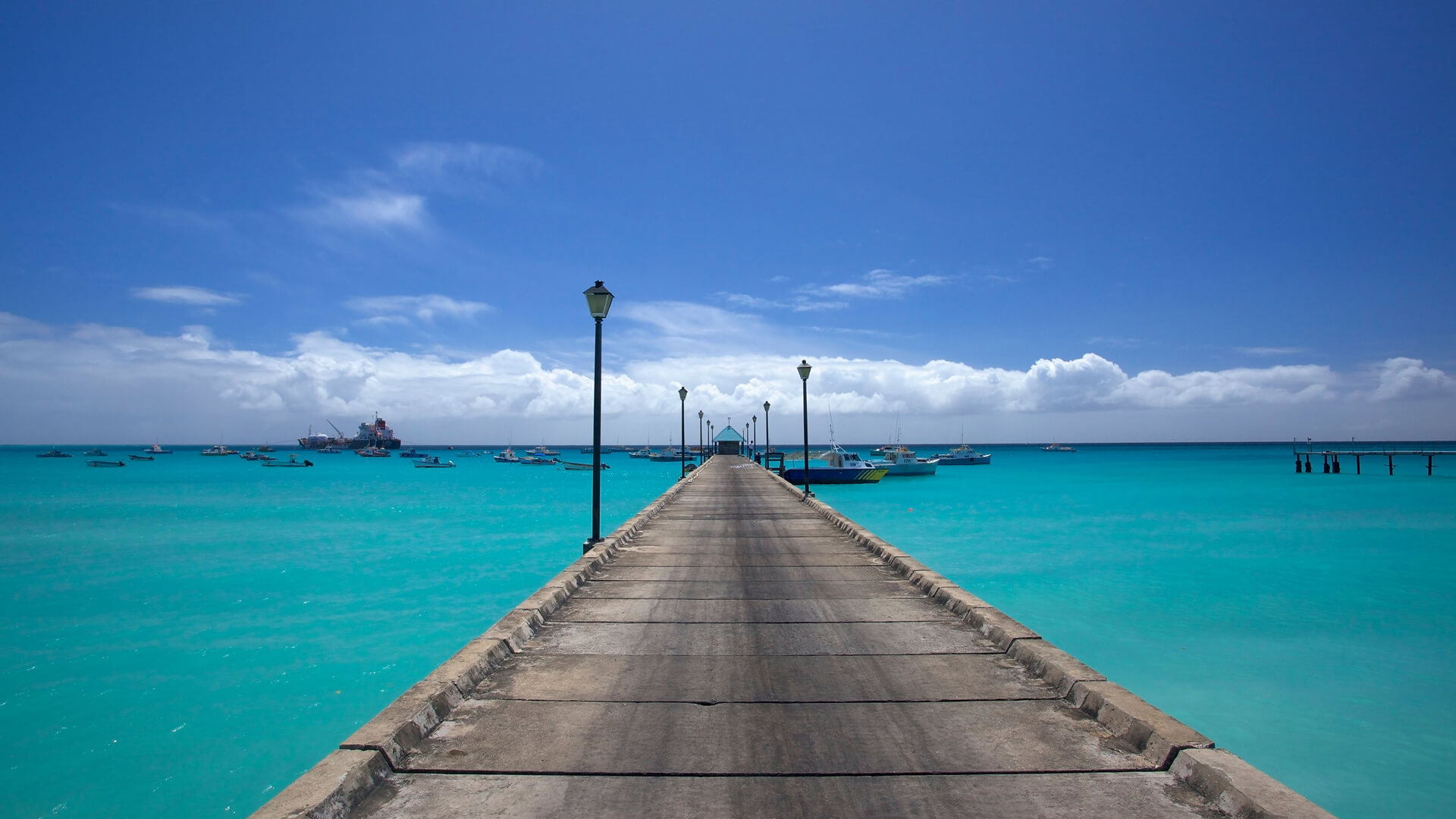
Pier over turquoise water

Sean Stewart

Jun 26

Watch 34 minutes | Read 13 minutes

Legal Angles With Erica Marshall-Forde of Dentons Delany

Q&A with Erica Marshall-Forde

Sean: Erica, thank you for joining me. Before we get into the legal details, tell us about your role and your work across the Caribbean.

Erica:

I’m the Head of Property at Dentons Delany, which covers 13 English-speaking jurisdictions across the Caribbean. Whether you’re a developer, purchaser, seller, or investor, any property transaction in those territories is handled by my team.

Sean: Amazing. What do you enjoy most about your role?

Erica:

Property is a dream for many people, and I get to help bring those dreams to life. Developers come to us with concepts, and we guide them through planning laws, property laws, and structure the sale of their project.

For purchasers—whether local or from abroad—it’s about helping them achieve their dream of owning Caribbean property and navigating the legal path to make it happen.

Sean: Let’s start with basics. What are the key legal steps in a Barbados property purchase?

Erica:

Before any legal work, buyers negotiate their offer through their agent. Once accepted, it becomes an Offer & Acceptance document, which the vendor’s attorney uses to prepare the Sale and Purchase Agreement.

From there:

1. Drafting the Agreement – Vendor’s attorney prepares it and sends it to the purchaser’s attorney.

2. Review & Negotiation – We negotiate terms, protect our client’s interests, and settle the agreement.

3. Signing & Deposit – Purchaser signs first and pays the deposit. Then the vendor signs. At this point, we have an exchange of contracts—a binding agreement.

4. Due Diligence – We conduct title searches to confirm good and marketable title.

5. Preparation for Completion – Finalising transfer documents and arranging the exchange of funds for title.

6. Completion – Ownership passes from vendor to purchaser.

There are many details within each step, but that’s the process in a nutshell.

Sean: Many foreign buyers struggle with how long everything takes. What’s a realistic timeline?

Erica:

Typically, 60 to 90 days.

Barbados mainly uses unregistered title, meaning ownership is proven by physical title deeds going back at least 20 years. Because we must manually examine those deeds, title searches take longer than in countries with centralised digital land registers.

Other delays include:

• Land tax clearance (must be up to date and certified)

• Resolving vendor-side issues (taxes, deeds, estates, encroachments, etc.)

While 60–90 days can feel long to overseas buyers used to 30-day closings, it’s realistic for our system—and in some cases, faster transactions are possible if everyone is well prepared.

Sean: So preparation is key?

Erica:

Absolutely.

If sellers ensure everything is in order before going to market, transactions can close in less than 60 days.

Sean: How early should a buyer involve a lawyer?

Erica:

As soon as you’re serious about making an offer.

Your lawyer can clarify any questions that sit between the transactional and legal spheres, ensuring you enter the agreement fully informed.

Sean: What’s one misconception non-residents often have?

Erica:

Many assume a building or condition survey is a mandatory part of the process—because it is in many other markets.

Here, it’s not required.

But we do recommend doing one early, and buyers can also make their offer conditional on the results.

Sean: Are there any restrictions on foreign ownership in Barbados?

Erica:

No restrictions—which is a key reason Barbados is so attractive.

Non-residents only need Exchange Control approval from the Central Bank of Barbados. Their attorney handles this entirely.

Funds must:

• Arrive in foreign currency

• Be registered with the Central Bank

• Be tied to the specific property purchase

After registration, the Central Bank issues a TR Form, enabling transfer of ownership to a non-resident.

Sean: Can you explain the importance of title searches?

Erica:

We must ensure good and marketable title, meaning:

• No charges or mortgages still attached

• No third-party interests

• No encumbrances

• No unresolved ownership issues

For example, if a mortgage exists, we must confirm a formal release will be delivered at completion.

Sean: What are some common red flags that appear during review?

Erica:

Three big ones:

1. Missing or Lost Title Deeds

Most Barbados property still uses unregistered title, meaning the original deed bundle must be handed over at completion.

If the owner can’t find their deeds, they must be restored via the Land Registry—a process that takes 6–9 months.

Many owners choose to leave their deeds safely with their lawyer to avoid this.

2. Estates Not Finalised

If an owner has passed away, their estate must be legally administered before the property can be sold.

If unresolved, this can significantly delay the transaction.

3. Boundary Encroachments

A boundary survey may reveal:

• A structure encroaching onto a neighbour’s land

• A neighbour encroaching onto the seller’s land

These issues must be resolved or formally agreed before title can pass cleanly.

Sean: Can you walk through the typical costs—transfer tax, stamp duty, etc.?

Erica:

Seller costs:

• Property Transfer Tax: 2.5% (less an allowance for the building)

• Stamp Duty: 1%

Buyer costs:

• Title search expenses

• Recording and registration fees

• Legal fees

Sean: Some buyers use a trust or company. Why?

Erica:

It’s about structuring and estate planning.

Trusts:

• Make estate administration smoother on death

• Avoid probate delays

Offshore corporate structures:

• Can legally avoid the 3.5% total transfer tax and stamp duty on resale, when shares are sold offshore rather than the property locally

• Must be set up carefully and with tax advice from the buyer’s home country

Domestic or local companies do not avoid these taxes.

Sean: Are there legal differences between buying a condo, land, or a stand-alone home?

Erica:

For condos, you purchase:

• Your unit, plus

• A share of the common property (corridors, gardens, stairwells, etc.)

Houses and land are more straightforward freehold transactions.

Sean: What should buyers of off-plan or pre-construction units ensure?

Erica:

Two big things:

1. Approvals must already be granted

Buyers should confirm the developer has:

• Planning approvals

• Building approvals

• Any required permissions

2. Protection against delays

If the project runs significantly over time, the contract should include liquidated damages—a fixed dollar amount the developer pays per day or week of delay (unless an extension is mutually agreed).

Sean: What’s your top advice for someone buying in Barbados for the first time?

Erica:

Know the property you’re buying. Ask every question you can think of.

Even if you’ve bought property elsewhere, systems vary. Ask about:

• Age of the property

• Planning history

• Structural soundness

• Outstanding taxes

• Whether an estate is involved

• Whether a company owner is in good standing

No question is too small.

Sean: And for those who already own property—should they revisit their structure every few years?

Erica:

Yes.

Laws change, regulations change, and personal circumstances change.

For example:

• Offshore structures sometimes gain new filing requirements

• Owners may now have children and want to consider trusts

• Tax laws may shift

It’s wise to review every so often.

Final Questions — Myth or Fact

Sean: Do foreigners need a special permit or licence to buy property in Barbados?

Erica:

Myth. No permit needed—just Exchange Control approval.

Sean: Do buyers need to fly to Barbados to complete a transaction?

Erica:

Myth.

Completion is a meeting between attorneys—buyers don’t need to be present.

Sean: Is buying beachfront property more complicated?

Erica:

Not if you have a capable attorney.

Sean: Erica, thank you so much. This has been incredibly informative.

Erica:

My pleasure.
Pier over turquoise water

Sean Stewart

Jun 26

Watch 34 minutes | Read 13 minutes

Legal Angles With Erica Marshall-Forde of Dentons Delany

Q&A with Erica Marshall-Forde

Sean: Erica, thank you for joining me. Before we get into the legal details, tell us about your role and your work across the Caribbean.

Erica:

I’m the Head of Property at Dentons Delany, which covers 13 English-speaking jurisdictions across the Caribbean. Whether you’re a developer, purchaser, seller, or investor, any property transaction in those territories is handled by my team.

Sean: Amazing. What do you enjoy most about your role?

Erica:

Property is a dream for many people, and I get to help bring those dreams to life. Developers come to us with concepts, and we guide them through planning laws, property laws, and structure the sale of their project.

For purchasers—whether local or from abroad—it’s about helping them achieve their dream of owning Caribbean property and navigating the legal path to make it happen.

Sean: Let’s start with basics. What are the key legal steps in a Barbados property purchase?

Erica:

Before any legal work, buyers negotiate their offer through their agent. Once accepted, it becomes an Offer & Acceptance document, which the vendor’s attorney uses to prepare the Sale and Purchase Agreement.

From there:

1. Drafting the Agreement – Vendor’s attorney prepares it and sends it to the purchaser’s attorney.

2. Review & Negotiation – We negotiate terms, protect our client’s interests, and settle the agreement.

3. Signing & Deposit – Purchaser signs first and pays the deposit. Then the vendor signs. At this point, we have an exchange of contracts—a binding agreement.

4. Due Diligence – We conduct title searches to confirm good and marketable title.

5. Preparation for Completion – Finalising transfer documents and arranging the exchange of funds for title.

6. Completion – Ownership passes from vendor to purchaser.

There are many details within each step, but that’s the process in a nutshell.

Sean: Many foreign buyers struggle with how long everything takes. What’s a realistic timeline?

Erica:

Typically, 60 to 90 days.

Barbados mainly uses unregistered title, meaning ownership is proven by physical title deeds going back at least 20 years. Because we must manually examine those deeds, title searches take longer than in countries with centralised digital land registers.

Other delays include:

• Land tax clearance (must be up to date and certified)

• Resolving vendor-side issues (taxes, deeds, estates, encroachments, etc.)

While 60–90 days can feel long to overseas buyers used to 30-day closings, it’s realistic for our system—and in some cases, faster transactions are possible if everyone is well prepared.

Sean: So preparation is key?

Erica:

Absolutely.

If sellers ensure everything is in order before going to market, transactions can close in less than 60 days.

Sean: How early should a buyer involve a lawyer?

Erica:

As soon as you’re serious about making an offer.

Your lawyer can clarify any questions that sit between the transactional and legal spheres, ensuring you enter the agreement fully informed.

Sean: What’s one misconception non-residents often have?

Erica:

Many assume a building or condition survey is a mandatory part of the process—because it is in many other markets.

Here, it’s not required.

But we do recommend doing one early, and buyers can also make their offer conditional on the results.

Sean: Are there any restrictions on foreign ownership in Barbados?

Erica:

No restrictions—which is a key reason Barbados is so attractive.

Non-residents only need Exchange Control approval from the Central Bank of Barbados. Their attorney handles this entirely.

Funds must:

• Arrive in foreign currency

• Be registered with the Central Bank

• Be tied to the specific property purchase

After registration, the Central Bank issues a TR Form, enabling transfer of ownership to a non-resident.

Sean: Can you explain the importance of title searches?

Erica:

We must ensure good and marketable title, meaning:

• No charges or mortgages still attached

• No third-party interests

• No encumbrances

• No unresolved ownership issues

For example, if a mortgage exists, we must confirm a formal release will be delivered at completion.

Sean: What are some common red flags that appear during review?

Erica:

Three big ones:

1. Missing or Lost Title Deeds

Most Barbados property still uses unregistered title, meaning the original deed bundle must be handed over at completion.

If the owner can’t find their deeds, they must be restored via the Land Registry—a process that takes 6–9 months.

Many owners choose to leave their deeds safely with their lawyer to avoid this.

2. Estates Not Finalised

If an owner has passed away, their estate must be legally administered before the property can be sold.

If unresolved, this can significantly delay the transaction.

3. Boundary Encroachments

A boundary survey may reveal:

• A structure encroaching onto a neighbour’s land

• A neighbour encroaching onto the seller’s land

These issues must be resolved or formally agreed before title can pass cleanly.

Sean: Can you walk through the typical costs—transfer tax, stamp duty, etc.?

Erica:

Seller costs:

• Property Transfer Tax: 2.5% (less an allowance for the building)

• Stamp Duty: 1%

Buyer costs:

• Title search expenses

• Recording and registration fees

• Legal fees

Sean: Some buyers use a trust or company. Why?

Erica:

It’s about structuring and estate planning.

Trusts:

• Make estate administration smoother on death

• Avoid probate delays

Offshore corporate structures:

• Can legally avoid the 3.5% total transfer tax and stamp duty on resale, when shares are sold offshore rather than the property locally

• Must be set up carefully and with tax advice from the buyer’s home country

Domestic or local companies do not avoid these taxes.

Sean: Are there legal differences between buying a condo, land, or a stand-alone home?

Erica:

For condos, you purchase:

• Your unit, plus

• A share of the common property (corridors, gardens, stairwells, etc.)

Houses and land are more straightforward freehold transactions.

Sean: What should buyers of off-plan or pre-construction units ensure?

Erica:

Two big things:

1. Approvals must already be granted

Buyers should confirm the developer has:

• Planning approvals

• Building approvals

• Any required permissions

2. Protection against delays

If the project runs significantly over time, the contract should include liquidated damages—a fixed dollar amount the developer pays per day or week of delay (unless an extension is mutually agreed).

Sean: What’s your top advice for someone buying in Barbados for the first time?

Erica:

Know the property you’re buying. Ask every question you can think of.

Even if you’ve bought property elsewhere, systems vary. Ask about:

• Age of the property

• Planning history

• Structural soundness

• Outstanding taxes

• Whether an estate is involved

• Whether a company owner is in good standing

No question is too small.

Sean: And for those who already own property—should they revisit their structure every few years?

Erica:

Yes.

Laws change, regulations change, and personal circumstances change.

For example:

• Offshore structures sometimes gain new filing requirements

• Owners may now have children and want to consider trusts

• Tax laws may shift

It’s wise to review every so often.

Final Questions — Myth or Fact

Sean: Do foreigners need a special permit or licence to buy property in Barbados?

Erica:

Myth. No permit needed—just Exchange Control approval.

Sean: Do buyers need to fly to Barbados to complete a transaction?

Erica:

Myth.

Completion is a meeting between attorneys—buyers don’t need to be present.

Sean: Is buying beachfront property more complicated?

Erica:

Not if you have a capable attorney.

Sean: Erica, thank you so much. This has been incredibly informative.

Erica:

My pleasure.
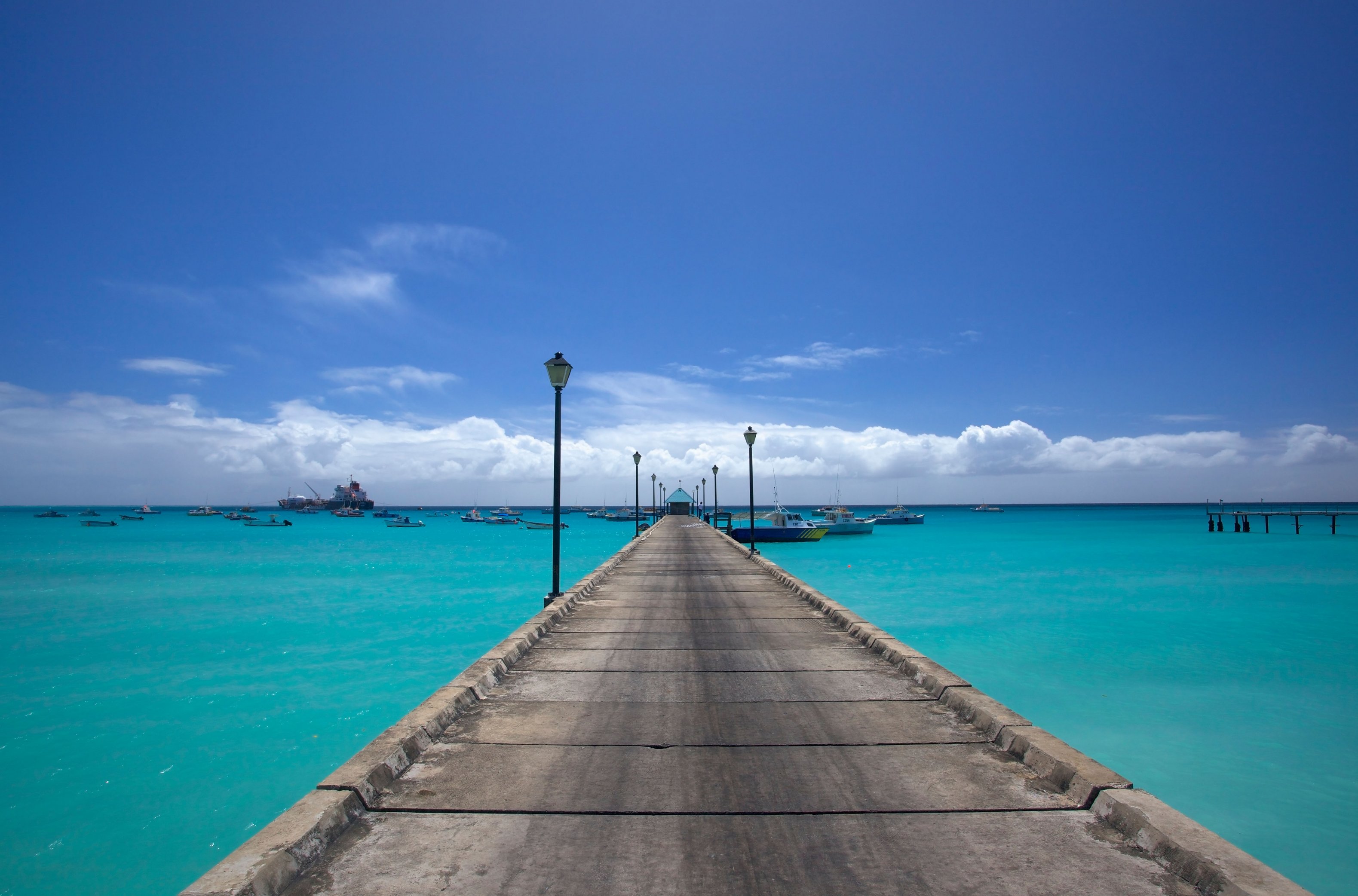
Pier over turquoise water

Sean Stewart

Jun 26

Watch 34 minutes | Read 13 minutes

Legal Angles With Erica Marshall-Forde of Dentons Delany

Q&A with Erica Marshall-Forde

Sean: Erica, thank you for joining me. Before we get into the legal details, tell us about your role and your work across the Caribbean.

Erica:

I’m the Head of Property at Dentons Delany, which covers 13 English-speaking jurisdictions across the Caribbean. Whether you’re a developer, purchaser, seller, or investor, any property transaction in those territories is handled by my team.

Sean: Amazing. What do you enjoy most about your role?

Erica:

Property is a dream for many people, and I get to help bring those dreams to life. Developers come to us with concepts, and we guide them through planning laws, property laws, and structure the sale of their project.

For purchasers—whether local or from abroad—it’s about helping them achieve their dream of owning Caribbean property and navigating the legal path to make it happen.

Sean: Let’s start with basics. What are the key legal steps in a Barbados property purchase?

Erica:

Before any legal work, buyers negotiate their offer through their agent. Once accepted, it becomes an Offer & Acceptance document, which the vendor’s attorney uses to prepare the Sale and Purchase Agreement.

From there:

1. Drafting the Agreement – Vendor’s attorney prepares it and sends it to the purchaser’s attorney.

2. Review & Negotiation – We negotiate terms, protect our client’s interests, and settle the agreement.

3. Signing & Deposit – Purchaser signs first and pays the deposit. Then the vendor signs. At this point, we have an exchange of contracts—a binding agreement.

4. Due Diligence – We conduct title searches to confirm good and marketable title.

5. Preparation for Completion – Finalising transfer documents and arranging the exchange of funds for title.

6. Completion – Ownership passes from vendor to purchaser.

There are many details within each step, but that’s the process in a nutshell.

Sean: Many foreign buyers struggle with how long everything takes. What’s a realistic timeline?

Erica:

Typically, 60 to 90 days.

Barbados mainly uses unregistered title, meaning ownership is proven by physical title deeds going back at least 20 years. Because we must manually examine those deeds, title searches take longer than in countries with centralised digital land registers.

Other delays include:

• Land tax clearance (must be up to date and certified)

• Resolving vendor-side issues (taxes, deeds, estates, encroachments, etc.)

While 60–90 days can feel long to overseas buyers used to 30-day closings, it’s realistic for our system—and in some cases, faster transactions are possible if everyone is well prepared.

Sean: So preparation is key?

Erica:

Absolutely.

If sellers ensure everything is in order before going to market, transactions can close in less than 60 days.

Sean: How early should a buyer involve a lawyer?

Erica:

As soon as you’re serious about making an offer.

Your lawyer can clarify any questions that sit between the transactional and legal spheres, ensuring you enter the agreement fully informed.

Sean: What’s one misconception non-residents often have?

Erica:

Many assume a building or condition survey is a mandatory part of the process—because it is in many other markets.

Here, it’s not required.

But we do recommend doing one early, and buyers can also make their offer conditional on the results.

Sean: Are there any restrictions on foreign ownership in Barbados?

Erica:

No restrictions—which is a key reason Barbados is so attractive.

Non-residents only need Exchange Control approval from the Central Bank of Barbados. Their attorney handles this entirely.

Funds must:

• Arrive in foreign currency

• Be registered with the Central Bank

• Be tied to the specific property purchase

After registration, the Central Bank issues a TR Form, enabling transfer of ownership to a non-resident.

Sean: Can you explain the importance of title searches?

Erica:

We must ensure good and marketable title, meaning:

• No charges or mortgages still attached

• No third-party interests

• No encumbrances

• No unresolved ownership issues

For example, if a mortgage exists, we must confirm a formal release will be delivered at completion.

Sean: What are some common red flags that appear during review?

Erica:

Three big ones:

1. Missing or Lost Title Deeds

Most Barbados property still uses unregistered title, meaning the original deed bundle must be handed over at completion.

If the owner can’t find their deeds, they must be restored via the Land Registry—a process that takes 6–9 months.

Many owners choose to leave their deeds safely with their lawyer to avoid this.

2. Estates Not Finalised

If an owner has passed away, their estate must be legally administered before the property can be sold.

If unresolved, this can significantly delay the transaction.

3. Boundary Encroachments

A boundary survey may reveal:

• A structure encroaching onto a neighbour’s land

• A neighbour encroaching onto the seller’s land

These issues must be resolved or formally agreed before title can pass cleanly.

Sean: Can you walk through the typical costs—transfer tax, stamp duty, etc.?

Erica:

Seller costs:

• Property Transfer Tax: 2.5% (less an allowance for the building)

• Stamp Duty: 1%

Buyer costs:

• Title search expenses

• Recording and registration fees

• Legal fees

Sean: Some buyers use a trust or company. Why?

Erica:

It’s about structuring and estate planning.

Trusts:

• Make estate administration smoother on death

• Avoid probate delays

Offshore corporate structures:

• Can legally avoid the 3.5% total transfer tax and stamp duty on resale, when shares are sold offshore rather than the property locally

• Must be set up carefully and with tax advice from the buyer’s home country

Domestic or local companies do not avoid these taxes.

Sean: Are there legal differences between buying a condo, land, or a stand-alone home?

Erica:

For condos, you purchase:

• Your unit, plus

• A share of the common property (corridors, gardens, stairwells, etc.)

Houses and land are more straightforward freehold transactions.

Sean: What should buyers of off-plan or pre-construction units ensure?

Erica:

Two big things:

1. Approvals must already be granted

Buyers should confirm the developer has:

• Planning approvals

• Building approvals

• Any required permissions

2. Protection against delays

If the project runs significantly over time, the contract should include liquidated damages—a fixed dollar amount the developer pays per day or week of delay (unless an extension is mutually agreed).

Sean: What’s your top advice for someone buying in Barbados for the first time?

Erica:

Know the property you’re buying. Ask every question you can think of.

Even if you’ve bought property elsewhere, systems vary. Ask about:

• Age of the property

• Planning history

• Structural soundness

• Outstanding taxes

• Whether an estate is involved

• Whether a company owner is in good standing

No question is too small.

Sean: And for those who already own property—should they revisit their structure every few years?

Erica:

Yes.

Laws change, regulations change, and personal circumstances change.

For example:

• Offshore structures sometimes gain new filing requirements

• Owners may now have children and want to consider trusts

• Tax laws may shift

It’s wise to review every so often.

Final Questions — Myth or Fact

Sean: Do foreigners need a special permit or licence to buy property in Barbados?

Erica:

Myth. No permit needed—just Exchange Control approval.

Sean: Do buyers need to fly to Barbados to complete a transaction?

Erica:

Myth.

Completion is a meeting between attorneys—buyers don’t need to be present.

Sean: Is buying beachfront property more complicated?

Erica:

Not if you have a capable attorney.

Sean: Erica, thank you so much. This has been incredibly informative.

Erica:

My pleasure.

Real Estate Blog Cover

Sean Stewart

Jun 6

Watch 22 minutes | Read 12 minutes

Designing & Developing Property in Barbados with Alex Sandeman

Sean: Before we dive into design and development, tell us a bit about yourself. What drives you professionally?

Alex: Over the last 30 years, different things have motivated me. I grew up in England and have lived in Barbados for 25 years. I had a career in golf, but I’ve always loved building and interior design. I’m driven by the desire to improve everything I do.

Sean: You’re also known for holding a Guinness World Record for making 93 birdies in 12 hours. How did that come about?

Alex: Only one record, but I’ve held it twice. As my golf career was winding down and I was getting more involved in development, I attempted the birdie record at Sandy Lane in 2010. Someone broke it in 2013, so I went back and reclaimed it. It kept me motivated, and I enjoyed the physical challenge.

Sean: Is there anything you’ve taken from golf and applied to development and interior design?

Alex: My downfall in golf was being a perfectionist, which isn’t great for performance. But in design and development, that same pursuit of perfection works in my favour. It helps me maintain the standard I want to achieve.

Sean: We’re sitting in one of your projects, a 3,000 sq. ft. apartment at Sandy Cove. What was involved in renovating this space?

Alex: We finished this about a year ago. It hadn’t been renovated since it was built 15 or 16 years ago. We had only two months because of restrictions on noisy work, so preparation was everything. We redid the floors, bathrooms, and pretty much everything. It was a big job, but it turned out great.

Sean: What other projects are you currently working on?

Alex: We’re about to start a major renovation on an 8,500 sq. ft. villa at Sandy Lane. We’re also building four new five-bedroom villas at Porters Place Residences, Phase Two, and we have several other projects in the pipeline.

Sean: How would you describe the design aesthetic in Barbados today?

Alex: There’s a strong move towards sleek, modern design, although I personally love both modern and classic styles. Maintenance plays a huge role here. Modern materials like aluminium windows and doors tend to perform better in this climate.

Sean: Do modern construction methods help with hurricane resistance?

Alex: Definitely. Flat concrete roofs are now very common. They’re stronger, allow space for services and PV panels, and require less maintenance than traditional pitched roofs.

Sean: What design mistakes do you see most often?

Alex: Maintenance is the big one. Homeowners want lower running costs and manageable communal fees. Designing for durability is essential in the Caribbean.

Sean: What are overseas buyers generally looking for?

Alex: It varies. Some want large family villas, others want compact apartments. Retirees, families, and investors all have different needs, but the general direction we’re heading seems to suit most buyers.

Sean: How important is sustainability in Barbados?

Alex: Very important. We’re using more photovoltaic systems and trying to make better use of our climate. It’s a learning process, and progress is slower than we’d like, but it’s improving.

Sean: What advice would you give someone planning a renovation or build in Barbados?

Alex:

1. Get a proper survey done.

2. Expect it to cost more than you think.

3. Understand that light and heat are different here than in colder climates.

4. Focus on airflow and breezes, and use plenty of fans.

Sean: What do people most underestimate?

Alex: How challenging it is. Even with experience, we’re still learning. But if you get it right, Barbados is an incredible place to live.

Sean: How do you see sport, especially golf, impacting tourism in Barbados?

Alex: Barbados has become a serious golf destination. We now have several world-class courses. Places like Apes Hill offer a full lifestyle experience that appeals to families and long-term visitors, not just golfers.

Sean: Are you seeing more demand for wellness-focused developments?

Alex: Yes. We have a project in development that includes a wellness centre with a gym, spa, cold plunge, and paddle courts. Demand for wellness facilities is growing across the island.

Sean: Where can people find out more about your work?

Alex: Through Alex Sandeman Design. We handle design and project management for our own developments and for private clients. We’re on Instagram, and our website is alexsandeman.com.

Sean: Final advice for anyone buying or building in Barbados?

Alex: Build a strong team. Architect, engineer, contractor, interior designer, and landscape architect. Some people try to do it alone, but it’s more complex than it looks. Having the right team makes all the difference.

Real Estate Blog Cover

Sean Stewart

Jun 6

Watch 22 minutes | Read 12 minutes

Designing & Developing Property in Barbados with Alex Sandeman

Sean: Before we dive into design and development, tell us a bit about yourself. What drives you professionally?

Alex: Over the last 30 years, different things have motivated me. I grew up in England and have lived in Barbados for 25 years. I had a career in golf, but I’ve always loved building and interior design. I’m driven by the desire to improve everything I do.

Sean: You’re also known for holding a Guinness World Record for making 93 birdies in 12 hours. How did that come about?

Alex: Only one record, but I’ve held it twice. As my golf career was winding down and I was getting more involved in development, I attempted the birdie record at Sandy Lane in 2010. Someone broke it in 2013, so I went back and reclaimed it. It kept me motivated, and I enjoyed the physical challenge.

Sean: Is there anything you’ve taken from golf and applied to development and interior design?

Alex: My downfall in golf was being a perfectionist, which isn’t great for performance. But in design and development, that same pursuit of perfection works in my favour. It helps me maintain the standard I want to achieve.

Sean: We’re sitting in one of your projects, a 3,000 sq. ft. apartment at Sandy Cove. What was involved in renovating this space?

Alex: We finished this about a year ago. It hadn’t been renovated since it was built 15 or 16 years ago. We had only two months because of restrictions on noisy work, so preparation was everything. We redid the floors, bathrooms, and pretty much everything. It was a big job, but it turned out great.

Sean: What other projects are you currently working on?

Alex: We’re about to start a major renovation on an 8,500 sq. ft. villa at Sandy Lane. We’re also building four new five-bedroom villas at Porters Place Residences, Phase Two, and we have several other projects in the pipeline.

Sean: How would you describe the design aesthetic in Barbados today?

Alex: There’s a strong move towards sleek, modern design, although I personally love both modern and classic styles. Maintenance plays a huge role here. Modern materials like aluminium windows and doors tend to perform better in this climate.

Sean: Do modern construction methods help with hurricane resistance?

Alex: Definitely. Flat concrete roofs are now very common. They’re stronger, allow space for services and PV panels, and require less maintenance than traditional pitched roofs.

Sean: What design mistakes do you see most often?

Alex: Maintenance is the big one. Homeowners want lower running costs and manageable communal fees. Designing for durability is essential in the Caribbean.

Sean: What are overseas buyers generally looking for?

Alex: It varies. Some want large family villas, others want compact apartments. Retirees, families, and investors all have different needs, but the general direction we’re heading seems to suit most buyers.

Sean: How important is sustainability in Barbados?

Alex: Very important. We’re using more photovoltaic systems and trying to make better use of our climate. It’s a learning process, and progress is slower than we’d like, but it’s improving.

Sean: What advice would you give someone planning a renovation or build in Barbados?

Alex:

1. Get a proper survey done.

2. Expect it to cost more than you think.

3. Understand that light and heat are different here than in colder climates.

4. Focus on airflow and breezes, and use plenty of fans.

Sean: What do people most underestimate?

Alex: How challenging it is. Even with experience, we’re still learning. But if you get it right, Barbados is an incredible place to live.

Sean: How do you see sport, especially golf, impacting tourism in Barbados?

Alex: Barbados has become a serious golf destination. We now have several world-class courses. Places like Apes Hill offer a full lifestyle experience that appeals to families and long-term visitors, not just golfers.

Sean: Are you seeing more demand for wellness-focused developments?

Alex: Yes. We have a project in development that includes a wellness centre with a gym, spa, cold plunge, and paddle courts. Demand for wellness facilities is growing across the island.

Sean: Where can people find out more about your work?

Alex: Through Alex Sandeman Design. We handle design and project management for our own developments and for private clients. We’re on Instagram, and our website is alexsandeman.com.

Sean: Final advice for anyone buying or building in Barbados?

Alex: Build a strong team. Architect, engineer, contractor, interior designer, and landscape architect. Some people try to do it alone, but it’s more complex than it looks. Having the right team makes all the difference.

Real Estate Blog Cover

Sean Stewart

Jun 6

Watch 22 minutes | Read 12 minutes

Designing & Developing Property in Barbados with Alex Sandeman

Sean: Before we dive into design and development, tell us a bit about yourself. What drives you professionally?

Alex: Over the last 30 years, different things have motivated me. I grew up in England and have lived in Barbados for 25 years. I had a career in golf, but I’ve always loved building and interior design. I’m driven by the desire to improve everything I do.

Sean: You’re also known for holding a Guinness World Record for making 93 birdies in 12 hours. How did that come about?

Alex: Only one record, but I’ve held it twice. As my golf career was winding down and I was getting more involved in development, I attempted the birdie record at Sandy Lane in 2010. Someone broke it in 2013, so I went back and reclaimed it. It kept me motivated, and I enjoyed the physical challenge.

Sean: Is there anything you’ve taken from golf and applied to development and interior design?

Alex: My downfall in golf was being a perfectionist, which isn’t great for performance. But in design and development, that same pursuit of perfection works in my favour. It helps me maintain the standard I want to achieve.

Sean: We’re sitting in one of your projects, a 3,000 sq. ft. apartment at Sandy Cove. What was involved in renovating this space?

Alex: We finished this about a year ago. It hadn’t been renovated since it was built 15 or 16 years ago. We had only two months because of restrictions on noisy work, so preparation was everything. We redid the floors, bathrooms, and pretty much everything. It was a big job, but it turned out great.

Sean: What other projects are you currently working on?

Alex: We’re about to start a major renovation on an 8,500 sq. ft. villa at Sandy Lane. We’re also building four new five-bedroom villas at Porters Place Residences, Phase Two, and we have several other projects in the pipeline.

Sean: How would you describe the design aesthetic in Barbados today?

Alex: There’s a strong move towards sleek, modern design, although I personally love both modern and classic styles. Maintenance plays a huge role here. Modern materials like aluminium windows and doors tend to perform better in this climate.

Sean: Do modern construction methods help with hurricane resistance?

Alex: Definitely. Flat concrete roofs are now very common. They’re stronger, allow space for services and PV panels, and require less maintenance than traditional pitched roofs.

Sean: What design mistakes do you see most often?

Alex: Maintenance is the big one. Homeowners want lower running costs and manageable communal fees. Designing for durability is essential in the Caribbean.

Sean: What are overseas buyers generally looking for?

Alex: It varies. Some want large family villas, others want compact apartments. Retirees, families, and investors all have different needs, but the general direction we’re heading seems to suit most buyers.

Sean: How important is sustainability in Barbados?

Alex: Very important. We’re using more photovoltaic systems and trying to make better use of our climate. It’s a learning process, and progress is slower than we’d like, but it’s improving.

Sean: What advice would you give someone planning a renovation or build in Barbados?

Alex:

1. Get a proper survey done.

2. Expect it to cost more than you think.

3. Understand that light and heat are different here than in colder climates.

4. Focus on airflow and breezes, and use plenty of fans.

Sean: What do people most underestimate?

Alex: How challenging it is. Even with experience, we’re still learning. But if you get it right, Barbados is an incredible place to live.

Sean: How do you see sport, especially golf, impacting tourism in Barbados?

Alex: Barbados has become a serious golf destination. We now have several world-class courses. Places like Apes Hill offer a full lifestyle experience that appeals to families and long-term visitors, not just golfers.

Sean: Are you seeing more demand for wellness-focused developments?

Alex: Yes. We have a project in development that includes a wellness centre with a gym, spa, cold plunge, and paddle courts. Demand for wellness facilities is growing across the island.

Sean: Where can people find out more about your work?

Alex: Through Alex Sandeman Design. We handle design and project management for our own developments and for private clients. We’re on Instagram, and our website is alexsandeman.com.

Sean: Final advice for anyone buying or building in Barbados?

Alex: Build a strong team. Architect, engineer, contractor, interior designer, and landscape architect. Some people try to do it alone, but it’s more complex than it looks. Having the right team makes all the difference.

testimonials

25

years of experience in selling and renting luxury residential property.

3

countries of practice in Real Estate.

1

goal to ensure a transparent, seamless and pleasant transaction for all parties concerned.

25

years of experience in selling and renting luxury residential property.

3

countries of practice in Real Estate.

1

goal to ensure a transparent, seamless and pleasant transaction for all parties concerned.

25

years of experience in selling and renting luxury residential property.

3

countries of practice in Real Estate.

1

goal to ensure a transparent, seamless and pleasant transaction for all parties concerned.